
A fractional CMO provides executive-level marketing leadership on a part-time basis.
They typically work 2-3 days per week to develop marketing strategy, oversee demand generation, align marketing with revenue goals, and manage marketing teams or agencies.
All this without the cost or commitment of a full-time hire.
Unlike marketing managers who execute campaigns or agencies who deliver specific services, fractional CMOs work as strategic executives.
Fractional CMOs own go-to-market decisions, establish KPIs, and hold teams accountable for business outcomes.
They work primarily with growth-stage companies ($2M-$20M revenue) that have proven product-market fit, but need experienced marketing leadership to scale efficiently, optimize customer acquisition costs, and build predictable pipeline.
The role is strategic, not tactical.
Fractional CMOs define what to build and who should execute it.
However, they don’t personally run ads, write content, or design graphics.
They’re best suited for companies where:
- Founder or CEO is bottlenecked by marketing decisions
- Existing marketing efforts lack strategic direction
- Fundraising requires professional marketing leadership and investor-ready metrics.
The Core Responsibilities of a Fractional CMO
Fractional CMOs focus on high-leverage strategic work that creates lasting organizational value.
Marketing Strategy Development
Fractional CMOs create comprehensive marketing strategies that guide all execution.
They define target customer segments and ideal customer profiles, and establish positioning and competitive differentiation.
Part-time cmos prioritize marketing channels based on customer behavior and economics.
And they build growth roadmaps showing which initiatives drive revenue at each stage.
This strategic foundation ensures marketing investments align with business goals rather than following industry trends or personal preferences.
Go-to-Market Leadership
Go-to-market strategy determines how companies acquire, convert, and retain customers profitably.
Fractional CMOs architect the entire customer journey.
- How awareness campaigns fill the funnel
- How nurture sequences move prospects toward purchase decisions
- How product marketing supports evaluation and comparison
- How sales enablement helps close deals
They ensure product, marketing, and sales coordinate seamlessly rather than operating as disconnected functions.
Demand Generation Oversight
While fractional CMO tasks don’t include executing demand generation campaigns, fractional CMOs own the strategy and performance.
They set lead generation targets aligned with revenue goals.
Fractional CMOs design multi-channel acquisition systems (paid media, content, events, partnerships).
They establish conversion benchmarks for each funnel stage, and diagnose why performance underperforms expectations.
Fractional CMOs manage the people and agencies executing campaigns, not the campaigns themselves.
Brand Positioning
Strong positioning differentiates companies in crowded markets and improves conversion efficiency.
Fractional CMOs define:
- Core value proposition that resonates with target buyers
- Messaging frameworks for consistency across all customer touchpoints
- Competitive positioning that highlights unique strengths
- Narrative structures for sales conversations, website copy, and investor presentations.
Clear positioning reduces sales cycles and improves win rates.
Revenue Alignment
Fractional CMOs are accountable for marketing’s contribution to revenue, not just activity metrics.
They establish:
- Customer acquisition cost (CAC) targets and track performance by channel
- Pipeline contribution goals showing marketing’s share of opportunities
- Conversion rate benchmarks from lead to customer across the funnel
- Attribution models connecting marketing touchpoints to closed revenue.
This revenue focus ensures marketing operates as a growth driver, not a cost center.
Team Leadership
For companies with internal marketing teams, fractional CMOs provide strategic direction and coaching.
- Setting individual and team KPIs tied to business outcomes
- Conducting performance reviews and skill development
- Establishing workflows and accountability frameworks
- Identifying when to hire specialists versus using agencies or contractors.
Fractional CMOs develop team capabilities while ensuring execution aligns with strategy.
Vendor & Agency Oversight
Most fractional CMO clients work with marketing agencies or specialized contractors.
Fractional CMOs manage these relationships.
They select agencies through RFP processes and capability evaluation, provide strategic briefs and creative direction, review performance weekly or bi-weekly against ROI targets, and replace underperforming vendors when necessary.
Without executive oversight, agencies often optimize for their metrics rather than client business outcomes.
For a comprehensive breakdown of strategic and operational responsibilities, see our detailed guide on fractional CMO responsibilities.

What a Fractional CMO Does in the First 90 Days?
The initial 90 days establish foundations for long-term value creation through structured assessment and quick wins.
Audit & Diagnosis
Fractional CMOs begin by diagnosing what’s working and what’s broken.
Here is what it looks like:
- Analyze conversion rates at each funnel stage to identify bottlenecks
- Review messaging and positioning effectiveness across channels
- Evaluate current channel performance and spend efficiency
- Assess team and agency capabilities
- Audit attribution accuracy and reporting infrastructure.
This diagnostic work reveals where to focus optimization efforts for maximum impact.
Strategic Roadmap Creation
Using the audit (mentioned earlier), fractional CMOs develop 6-12 month strategic roadmaps.
A typical roadmap includes:
- Defining which customer segments to prioritize and why
- Establishing channel strategies showing where to invest and scale
- Creating campaign calendars aligning initiatives with revenue targets
- Outlining team hiring or restructuring needs
- Setting quarterly milestones with clear success metrics.
The roadmap becomes the execution blueprint ensuring everyone works toward shared goals.
KPI Alignment
Without clear metrics, marketing accountability is impossible.
Fractional CMOs establish:
- Baseline performance for CAC, conversion rates, and pipeline contribution
- Target metrics aligned with revenue growth goals
- Dashboard specifications showing real-time performance
- Reporting cadence (weekly internal, monthly executive, quarterly board)
- Attribution methodologies tracking marketing’s influence on revenue.
KPI clarity enables data-driven optimization.
Infrastructure Improvements
Early wins often come from fixing obvious inefficiencies such as reallocating budget from underperforming to high-ROI channels, updating messaging on high-traffic pages to improve conversion, eliminating obvious conversion blockers (broken forms, unclear calls-to-action), and improving marketing-sales handoff processes reducing lead response time.
These quick improvements demonstrate value while larger strategic initiatives develop.
For a complete timeline showing expected outcomes at 30, 60, and 90 days, see our guide on fractional CMO ROI and 90-day results.

What a Fractional CMO Does NOT Do?
Understanding what fractional CMOs don’t handle prevents misaligned expectations.
Daily Execution of Every Channel
Fractional CMOs define strategy and manage execution teams.
They don’t personally execute every tactic.
They don’t log into ad platforms daily to adjust bids or write ad copy, produce blog posts or social media content themselves, design landing pages or create graphics, or manage email marketing platforms and automation workflows.
These are specialist tasks requiring full-time attention.
Fractional CMOs approve creative direction, review performance, and hold executors accountable, but execution belongs to agencies, contractors, or internal specialists.
Replacing an Entire Marketing Team
Fractional CMOs provide strategic leadership, not full-time execution.
A single fractional CMO working 2-3 days weekly cannot replace a demand generation manager, content marketer, marketing operations specialist, or product marketer.
They can, however, lead and coordinate these roles effectively, whether they’re employees, contractors, or agency resources.
Acting as an Agency Substitute
Agencies deliver specialized execution (paid ads, content production, SEO, creative services).
Fractional CMOs provide strategic direction and agency oversight.
The optimal model for most companies combines both.
A fractional CMO defines strategy, sets performance targets, and manages agencies who execute specialized tactics.
Trying to use a fractional CMO as a low-cost agency replacement is a poor decision.
Fixing Product-Market Fit Alone
If customers don’t achieve value and renew, the problem is product-market fit.
The issue is not marketing.
Fractional CMOs can help validate customer segments, refine positioning, and improve onboarding messaging.
However, they can’t fix fundamental product issues or create demand for products customers don’t want.
Marketing scales what works; it doesn’t create product value that doesn’t exist.
Companies should establish product-market fit before hiring fractional CMO leadership.
For more on the strategic vs execution distinction, see fractional CMO vs marketing agency.
How a Fractional CMO Works With Founders & CEOs
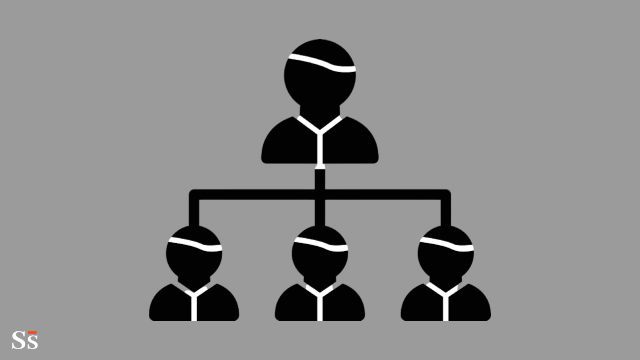
Fractional CMOs integrate into leadership teams as strategic partners and revenue owners.
Strategic Advisor Role
Fractional CMOs operate as trusted advisors on all marketing and growth decisions.
They provide input on pricing and packaging strategies, advise on market expansion and new customer segment opportunities, contribute to product roadmap discussions from market perspective, and help shape company positioning for fundraising or M&A.
They bring cross-company pattern recognition from working with multiple companies. And offer prospective founders can’t develop internally.
Executive Reporting
Fractional CMOs translate marketing activity into business language executives and boards understand.
They present monthly updates on pipeline health, CAC trends, and marketing’s revenue contribution.
They prepare quarterly board presentations showing strategic progress and growth drivers, defending marketing ROI with data during budget planning.
And, lastly, they provide investor-ready metrics and narratives during fundraising.
This executive communication builds confidence in marketing as a strategic function.
Cross-Functional Alignment
Marketing doesn’t operate in isolation.
Fractional CMOs coordinate across functions.
They align with sales on lead qualification criteria and pipeline targets.
They collaborate with Product on launch strategies and feature prioritization based on market feedback.
Fractional CMOs work with customer success on retention and expansion campaigns.
They partner with finance on revenue forecasting and CAC/LTV modeling.
This cross-functional integration ensures marketing serves overall business strategy.
Revenue Accountability
Unlike consultants who advise and leave, fractional CMOs own outcomes.
Measurement includes whether CAC improves, whether pipeline grows, whether conversion rates increase, and whether marketing contributes predictably to revenue.
This accountability distinguishes fractional CMOs from advisors or agencies.
They can’t deflect responsibility for underperformance.
If marketing isn’t delivering results, the fractional CMO must diagnose why and fix it.
Visit our fractional CMO services page to learn more.

Fractional CMO vs Full-Time CMO: Role Differences
The core responsibilities are similar.
However, the engagement model and organizational integration differ.
What is the difference between a CMO and a fractional CMO?
Strategic scope
Both fractional and full-time CMOs own marketing strategy, positioning, demand generation architecture, and revenue accountability.
The strategic thinking is comparable as well.
Fractional CMOs bring equivalent executive expertise.
Time commitment:
Full-time CMOs work 40+ hours weekly with daily presence in the office or on calls.
Fractional CMOs work 2-3 days weekly (16-24 hours).
They focus time on high-leverage strategic decisions and delegation rather than attending every meeting or reviewing every deliverable.
Organizational depth:
Full-time CMOs build long-term organizational culture, develop deep mentoring relationships with team members, and integrate into every aspect of company operations.
Fractional CMOs focus on strategic direction and accountability frameworks but have less bandwidth for culture-building and deep team development.
Cost and flexibility:
Full-time CMOs cost $200,000-$500,000+ annually (salary, benefits, equity, recruiting fees) with 12-18 month minimum expected tenure.
Fractional CMOs cost $96,000-$300,000 annually with flexible scope adjustment and 30-day exit options if not working.
The fractional model offers 40-60% cost savings with reduced commitment risk.
As per a recent article on Forbes, fcmo is exploding as full time roles fade.
When each makes sense:
Fractional CMOs fit companies $2M-$20M revenue needing strategic leadership without full-time overhead.
Full-time CMOs fit companies $20M+ revenue with 15+ person marketing teams requiring daily executive presence and organizational depth.
If you want to learn more about the differences, check out this post on fractional CMO vs full-time CMO.
Fractional CMO vs VP of Marketing
Fractional CMOs and VPs of Marketing both provide senior marketing leadership but differ in scope and authority.
Strategic authority:
Fractional CMOs typically operate at C-suite level with board access, influence on company-wide strategy beyond marketing, and peer relationships with other executives.
VPs of Marketing usually report to the CMO or CEO and focus primarily on marketing function execution rather than company-wide strategy.
Experience depth:
Fractional CMOs typically have 15-20 years of executive marketing experience across multiple companies, industries, and growth stages.
VPs of Marketing often have 8-15 years of experience, sometimes within a single company or industry.
And they bring deep functional expertise but less broad strategic pattern recognition.
Cost comparison:
Full-time VPs of Marketing cost $150,000-$250,000 annually (salary and benefits).
Fractional CMOs cost $96,000-$300,000 annually but bring C-suite level strategic thinking.
For companies needing executive strategy more than daily management, fractional CMOs often deliver better ROI despite similar or slightly higher cost.
Optimal structure:
Some companies use both.
A fractional CMO ($15,000-$20,000/month) provides executive strategy and oversight while VP of Marketing ($120,000-$180,000 salary) manages day-to-day team operations and campaign execution.
This structure delivers comprehensive leadership for $300,000-$400,000 annually-less than a single full-time CMO.
What Problems a Fractional CMO Solves
Fractional CMOs are hired to fix specific strategic or organizational issues hindering growth.
Growth plateau:
When revenue stops growing despite increased marketing spend, the issue is usually strategic.
This could be due to unclear positioning, wrong target segments, inefficient channel mix, or broken conversion funnels.
Fractional CMOs diagnose root causes and rebuild the marketing engine for scaled growth rather than continuing tactics that aren’t working.
High customer acquisition cost:
Rising CAC without corresponding LTV growth threatens business sustainability.
Fractional CMOs reduce CAC by improving targeting to focus on best-fit customers.
They optimize conversion rates across the funnel, and move budget from high-CAC to low-CAC channels.
FCMOs also improve customer fit so retention increases (improving LTV side of the equation).
Lack of strategy:
Many companies execute marketing tactics without a cohesive strategy.
They keep running ads without clear positioning.
And keep producing content without understanding buyer journey.
They also keep using multiple agencies without coordination.
Fractional CMOs establish strategic frameworks ensuring all tactics serve business goals and work together systematically.
Misaligned sales and marketing:
When sales complains about lead quality and marketing blames sales for poor follow-up, the issue is lack of executive authority to establish SLAs, define qualification criteria, and enforce accountability.
Fractional CMOs mediate this conflict with data, create shared pipeline targets, and implement processes ensuring both teams own revenue outcomes.
Channel inefficiency:
Businesses often spread budgets across too many channels, running everything mediocrely instead of excelling in prioritized areas.
Fractional CMOs kill underperforming channels, double down on validated high-ROI sources, and test new channels with disciplined experimentation frameworks.
Focus creates efficiency.
Founder bottleneck:
When founders approve every campaign, write all positioning, and make every marketing decision, the company outgrows founder-led marketing.
Fractional CMOs take complete ownership, freeing founders to focus on product, fundraising, or key partnerships while marketing scales independently.
If you want to better understand when to hire a fractional CMO, also check out the posts on fractional CMO results and fractional CMO ROI guide.

Is a Fractional CMO Right for Your Company?
Fractional CMO fit depends on company stage, budget, and growth complexity.
Ideal candidates:
Businesses generating $2M-$20M annual revenue with proven product-market fit greatly benefit from a fractional CMO.
These companies have:
- Existing marketing efforts that lack strategic direction or executive ownership
- Budget to support both strategy ($12,000-$20,000/month fractional CMO) and execution (agencies, tools, team)
- Growth targets requiring sophisticated demand generation (50-100%+ annually)
- Founders or CEOs willing to delegate marketing authority to an executive partner
Poor fit indicators:
If a business falls under one or more of these, a fcmo model might not work.
- Pre-revenue or pre-product-market fit companies (need product validation, not marketing scale)
- Businesses under $1M revenue with limited budget (can’t support strategy plus execution)
- Businesses seeking hands-on execution help rather than strategic leadership (hire agency or specialist instead)
- Companies unwilling to grant decision-making authority (fractional CMOs need power to reallocate budget, change strategy, hire/fire without endless approvals).
Questions to ask yourself:
- Is our founder or CEO bottlenecked by marketing decisions?
- Has our growth plateaued despite increasing marketing spend?
- Do we lack executive-level marketing expertise internally? Can we articulate our positioning and target customers clearly?
- Do we have at least $30,000-$40,000 monthly total marketing budget to support strategy and execution?
- Are we ready to delegate marketing authority to someone who will challenge our assumptions?
If you answered yes to most questions, fractional CMO leadership likely accelerates growth and improves efficiency.
If you answered no to most, you may need foundational work (product-market fit, basic marketing infrastructure, execution resources) before executive strategic leadership adds value.
Check out these posts on when to hire a fractional CMO and fractional CMO services to learn more.
FAQs: What Does a Fractional CMO Actually Do?
Is a fractional CMO hands-on?
Fractional CMOs are hands-on with strategy, decision-making, and team management-but not with tactical execution.
They’ll actively participate in strategic planning sessions, review campaign performance data weekly, coach team members, and make budget allocation decisions, but they won’t personally write blog posts, manage ad accounts, or design graphics.
Think “hands-on executive” not “hands-on executor.”
How many hours per week does a fractional CMO work?
Most fractional CMO engagements involve 2-3 days per week (16-24 hours) or 8-12 days per month.
Their time goes into strategic planning, executive meetings, team coaching, agency oversight, and performance analysis.
Fractional CMOs are generally available for urgent questions between scheduled days but don’t provide a 40-hour weekly presence.
Do fractional CMOs manage agencies?
Yes, managing marketing agencies is a core fractional CMO responsibility.
They select agencies, provide strategic direction and creative briefs, review performance regularly, hold vendors accountable to ROI targets, and replace underperforming agencies.
Many companies hire fractional CMOs specifically to improve agency performance through competent oversight.
Are fractional CMOs temporary?
Fractional CMO engagements typically last 6-18 months.
Initial contracts are usually 3-6 months with monthly renewal options.
Some organizations use fractional CMOs as interim leadership while recruiting full-time CMOs (6-9 months).
Others engage for specific growth phases (scaling from $5M to $15M ARR) then transition to full-time executives.
Fractional CMOs are “temporary” in the sense they’re not permanent employees, but engagements aren’t necessarily short-term.
For more detailed answers to common questions, visit our comprehensive fractional CMO FAQ page.
Closing Thought: What Does a Fractional CMO Actually Do?
A fractional CMO does what every company needs at certain growth stages.
They provide executive marketing leadership, strategic direction, and revenue accountability without the cost or commitment of a full-time hire.
They’re ideal for companies that have outgrown founder-led marketing but can’t yet justify $300,000-$500,000+ annually for a full-time CMO.
This is typically the $2M-$20M revenue range where strategic sophistication matters but organizational complexity doesn’t require daily executive presence.
The role is fundamentally strategic.
Fractional CMOs define what to build, who should build it, and how to measure success.
And then hold everyone accountable for delivering results.
For growth-stage companies, this combination of strategic expertise, execution oversight, and revenue accountability often delivers better ROI than either hiring a full-time CMO prematurely or continuing without executive marketing leadership.
